Now you have planned your story and created character personalities its time to think about what your characters will look like!
Character design is one of the most exciting elements of creating a comic. This is where your ideas come to life. Whilst it is important to understand the basics of character design
You don’t have to be an amazing artist to start! Everyone has to start somewhere and the main thing is to practice.
1. Start With Basic Shapes
Try to design your characters using basic shapes. Using circles, squares and triangles can help create different body types and personalities
Circle = Can give a friendly and soft vibe.
Square = Can give a strong and solid vibe.
Triangle = Can give an edgy, mysterious and intimidating vibe.
Have a play around with the different shapes to create unique characters. You don’t need to worry about making them perfect as you are just brainstorming ideas.
2. Design Recognizable Characters
A good character design should be recognisable without any complex details.
Think about what makes your character unique. This could be their hair style, clothing, height, accessories or body type.A great tip is to try colouring in your characters entire shape.
Can you still recognize them?
If you can recognise your character from the outline then you are doing great!
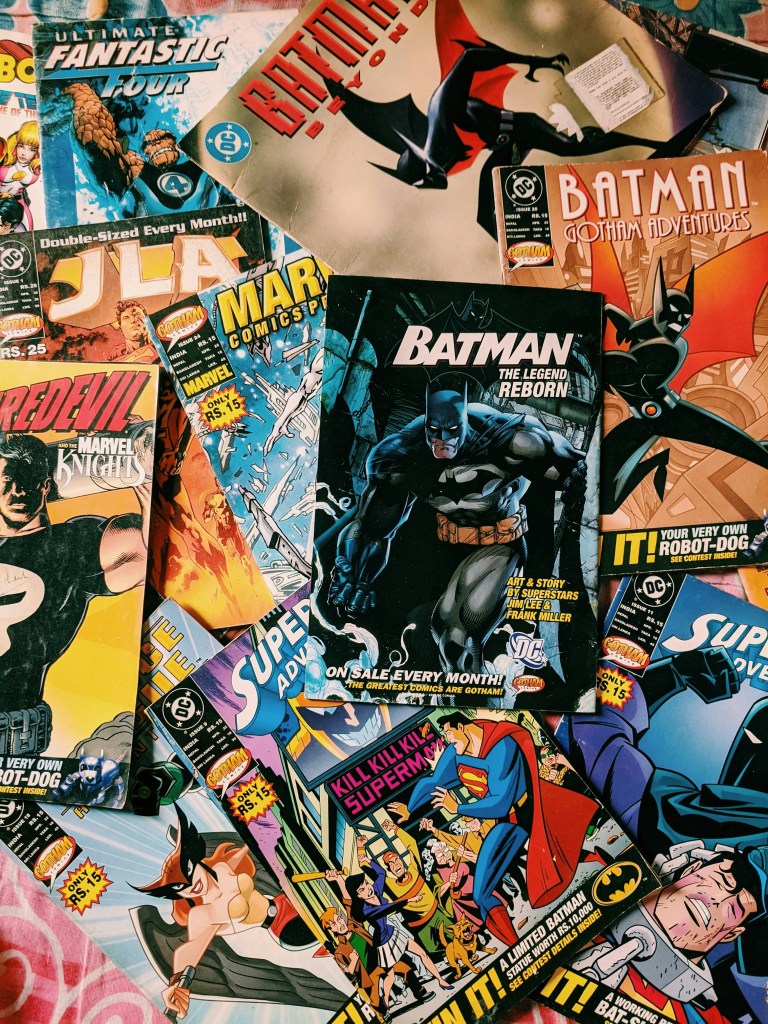
Comics of Batman and other DC superhero’s
3. Practice Expressions
Throughout your comic your characters will have different emotions so expressions will help show how they are feeling.
Start off by practising simple expressions:
Happiness.
Sadness.
Anger.
Fear.
Surprise.
Look at how your characters eyebrows, eyes and mouths change.You don’t need to be an expert straight away. Start off with simple sketches and work your way up to more complex emotions.
4. Create A Character Sheet
One of the best things to create is a character sheet.This will help you to keep your characters consistent throughout your comic. This is done by having a variety of drawings and notes.
On your character sheet you should have:
Front view.
Side/back view.
A couple of expressions.
Clothing and key accessories.
Notes on colours, height and anything unique
This will really help when you start drawing your comic panels.
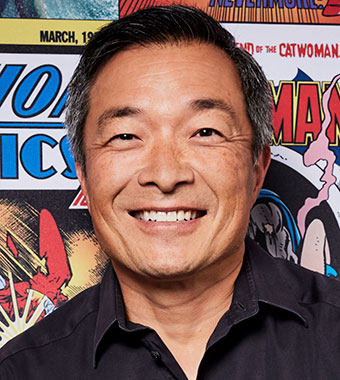
Jim Lee — X-Men
“You can’t rush it.”
5. Be Organised
When you’re starting to learn how to draw it can be easy to feel overwhelmed and frustrated. But remember it will take time to improve! A great idea is to create a sketchbook or folder. This will help you to stay organised.
Some tips to help!
Date your sketches. This will show how much you have improved. Save your rough drafts. Don’t delete them just because you don’t like them.Make notes. Note down anything you want to change/improve.
Practice. Even 10-15 minutes of practice can help. Focus on one thing. Don’t try to be an expert at everything. Focus on improving certain aspects. Don’t be scared to use references. Looking at photos, objects and real people can help to understand anatomy, poses and clothing.
A lot of clocks
6. Don’t Worry About Being Perfect
One of the biggest mistakes beginners make is trying to create the perfect drawing.Your first character design probably won’t be your final design and that is totally fine!
Professional artists often do dozens of sketches before deciding on a design.Don’t worry about making them perfect, just get your ideas onto paper.Once you improve you can go back and tweak your designs.
7. Experiment With Designs
Don’t feel like you need to stick with your original character design. Experiment with different hairstyles, clothes, faces and accessories to get a design that you like.
Consider what your character should look like based on their personality. If they are a mysterious character then have them wear darker clothes. If they are more outgoing then make them more colourful.
Try keep your character designs simple. As you will be drawing them multiple times in your comic it can get frustrating if they are too complicated.
Final Thoughts
Character design isn’t just about making them look interesting. It’s about creating a visual identity to help tell your story. Start simple and have a play around with different ideas. The more you practice the more confident you will become with drawing your characters and creating your own style.
Don’t worry if your drawings aren’t perfect. They just need to be a starting point!
Next Up
Learning To Draw Your Characters. Now you know the basics of character design, the next chapter will focus on improving your drawing skills. We will look at basic anatomy, body proportions, poses and how to make your characters look more natural and expressive.


Leave a Reply